Carbon Monoxide (CO) Safety on the Water: What Every Boater Should Know

Carbon monoxide (CO) is a colorless, odorless, and tasteless gas that is produced whenever a carbon‑based fuel such as gasoline, propane, charcoal, or oil is burned. On boats, sources of CO may include:
- engines
- generators
- cooking ranges
- space and water heaters
Why Carbon Monoxide is Dangerous
CO enters your bloodstream through the lungs and blocks the oxygen your body needs. Prolonged exposure to low concentrations, or quick exposure to high concentrations, can kill you.
Because you cannot see, smell, or taste carbon monoxide, it can build up unnoticed and make you sick or even fatal in just a few breaths. Even early symptoms — like irritated eyes, headache, nausea, weakness, or dizziness — are often confused with seasickness or intoxication, so people affected may not receive the medical attention they need.
Carbon monoxide can harm you whether you’re underway, moored, or anchored.
How CO Can Accumulate Around Your Boat
CO can collect in and around your vessel without you knowing. Typical situations where CO can build up include:
- Inadequately ventilated canvas enclosures
- Exhaust gas trapped in enclosed places
- Blocked exhaust outlets
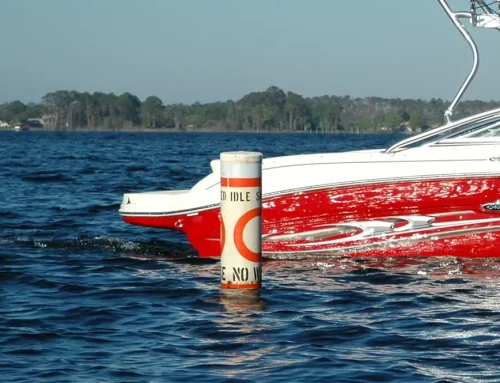
- Exhaust from another vessel
- Anywhere your boat is stopped or moving slowly
CO can remain at dangerous levels even after the engine or generator is turned off.
Trip Safety Checklist
Before heading out, make sure you:
- Know where exhaust outlets are located on your vessel
- Educate passengers about CO symptoms and where CO may accumulate
- When docked or rafted with other boats, be aware of exhaust emissions around you
- Confirm that water flows from the exhaust outlets when engines or generators are started
- Listen for changes in exhaust sound — unusual sounds may signal a problem
- Test each CO detector to ensure it’s functioning properly
Monthly Maintenance Checklist
Regularly:
- Make sure all exhaust clamps are secure
- Look for signs of exhaust leaks — rust streaks, water leaks, or cracked fittings
- Inspect rubber exhaust hoses for wear, cracks, or deterioration. They should be flexible and kink‑free
Annual Safety Inspection
Have a qualified marine technician:
- Replace exhaust hoses showing signs of wear
- Ensure engines and generators are properly tuned and maintained
- Inspect water pump impellers, housings, and cooling systems
- Check all metallic exhaust components (manifolds, water injection elbows, fittings) for cracking, rust, or loosening
- Clean and inspect the generator cooling water anti‑siphon valve (if equipped)
CO Detectors Save Lives
Install and maintain marine‑grade CO detectors in all cabins and enclosed areas. Don’t ignore any alarm — every alarm requires immediate action. Replace detectors according to manufacturer recommendations.
If CO Is Suspected…
- Open all hatches, windows, and ports to ventilate the boat
- Move everyone to fresh air immediately
- Change course so your boat’s heading is into the wind to improve ventilation
- Shut down fuel‑burning appliances and engines until the situation is resolved
Carbon Monoxide Poisoning is Preventable
The U.S. Coast Guard wants all boaters to know that CO poisoning is preventable. With proper awareness, routine checks, and the right safety equipment, you and your passengers can enjoy boating without unnecessary risk.
For more information on CO safety, vessel safety checks, and other boating safety resources, visit the U.S. Coast Guard Boating Safety Division at uscgboating.org.